Prenatal ultrasound and anomaly screening are steps in assessing fetal morphology at important milestones of pregnancy. The goal is to detect structural abnormalities early, so that appropriate monitoring and counseling can be provided to the family.
Why is anomaly screening ultrasound needed?
Most pregnancies progress normally, but some abnormalities can only be recognized through ultrasound imaging. Screening at the right milestones helps the doctor assess fetal development, detect anomalies early and coordinate with relevant specialties when necessary.
Key screening milestones
- Weeks 11–13: nuchal translucency measurement, preliminary assessment of fetal morphology and some early anomalies.
- Weeks 18–22: detailed assessment of fetal morphology, heart, brain, spine, limbs and internal organs.
- Third trimester: monitoring of growth, placenta, amniotic fluid and screening for some late abnormalities.
Prenatal ultrasound at Phuc Khang
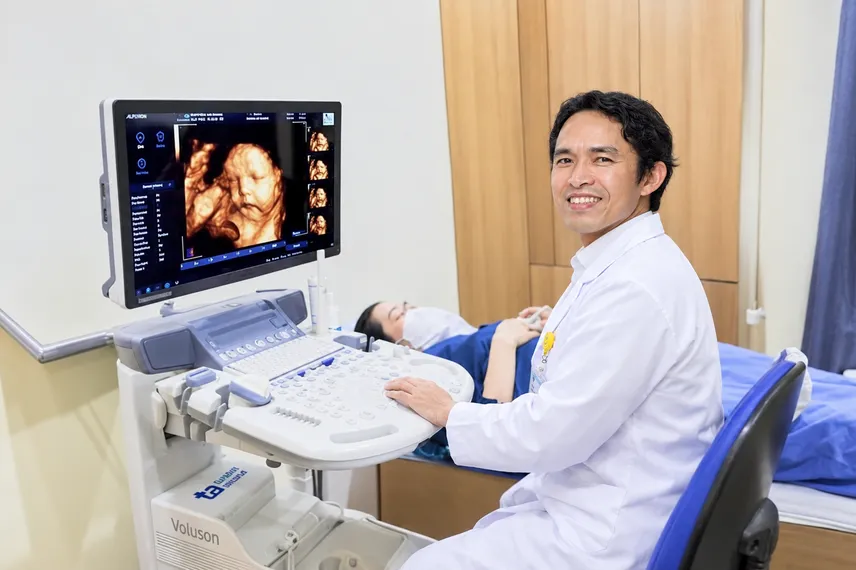
Every ultrasound is performed and interpreted directly by Dr. Truong Xuan Luc, MSc. The doctor clearly explains each image, helping parents correctly understand the condition of the fetus and avoid excessive worry based on incomplete information.
Preparation before the ultrasound
You do not need to fast and should urinate before the ultrasound. At some milestones, the doctor may schedule a repeat examination if the fetal position is not favorable for observation.
Notes
Screening ultrasound results do not replace a definitive diagnosis in all cases. When a suspicious abnormality is detected, the doctor will advise on the next steps, such as additional tests or specialist consultation.
This information is for reference only; please discuss directly with your doctor for advice suited to each pregnancy.
Related articles
- Thyroid Ultrasound: When Should You Have One and What Can It Detect?Thyroid ultrasound helps detect thyroid nodules, cysts and assess the risk of malignancy early. Learn when to have one and what to prepare.
- What Is NIPT and Why Should It Be Done From Week 9?NIPT is a non-invasive prenatal screening test that is safe for mother and baby, can be performed from week 9 and offers high accuracy.
- Breast Cancer Screening: Why Early Detection MattersBreast cancer is the most common cancer among women in Vietnam. Detecting it at an early stage greatly improves the chance of successful treatment.