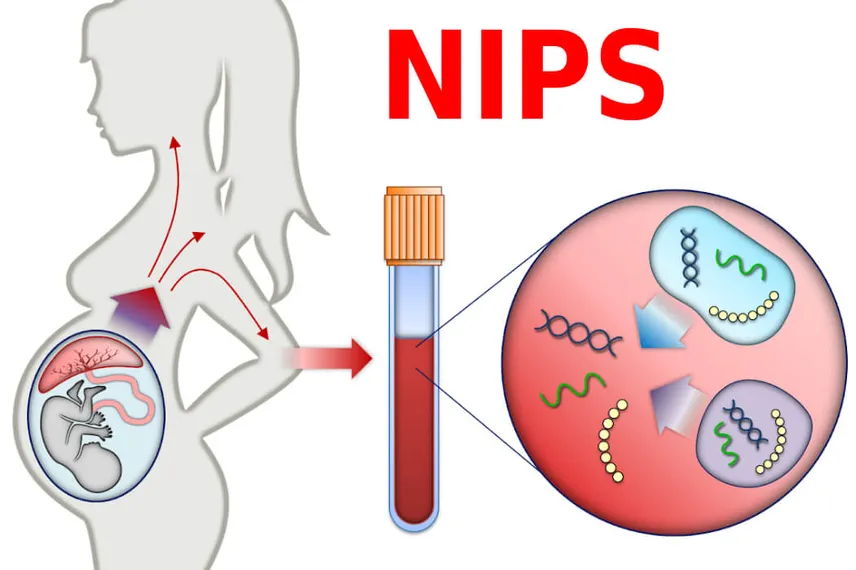
NIPT (Non-Invasive Prenatal Testing) is a non-invasive prenatal screening test that analyzes the cell-free DNA of the fetus in the mother’s blood. Phuc Khang 5D Ultrasound Clinic works with Gensolution company to provide this service, offering a safe screening option for pregnant women.
What can NIPT detect?
- Down syndrome (trisomy 21), Edwards syndrome (trisomy 18), Patau syndrome (trisomy 13).
- Abnormalities of the sex chromosomes.
- Analysis of 22 pairs of autosomes with high accuracy, up to 99%.
Advantages of NIPT
- Non-invasive: only a sample of the mother’s blood is needed, safe for both mother and fetus.
- Performed early: from week 9 of pregnancy.
- High accuracy: fewer false positives compared with traditional screening.
Who should have NIPT?
Pregnant women aged 35 and over, those with a family history of chromosomal disorders, or those with a high-risk result from traditional screening should be consulted about NIPT.
Consultation at Phuc Khang
Doctors at Phuc Khang Clinic advise on the timing, meaning and limitations of NIPT, combining it with ultrasound for comprehensive pregnancy monitoring. All results are carefully interpreted before a monitoring plan is given.
NIPT is a screening test, not a definitive diagnosis. High-risk cases need in-depth consultation and may require additional diagnostic testing.
Related articles
- What Is NIPT and Why Should It Be Done From Week 9?NIPT is a non-invasive prenatal screening test that is safe for mother and baby, can be performed from week 9 and offers high accuracy.
- Thyroid Ultrasound: When Should You Have One and What Can It Detect?Thyroid ultrasound helps detect thyroid nodules, cysts and assess the risk of malignancy early. Learn when to have one and what to prepare.
- Breast Cancer Screening: Why Early Detection MattersBreast cancer is the most common cancer among women in Vietnam. Detecting it at an early stage greatly improves the chance of successful treatment.